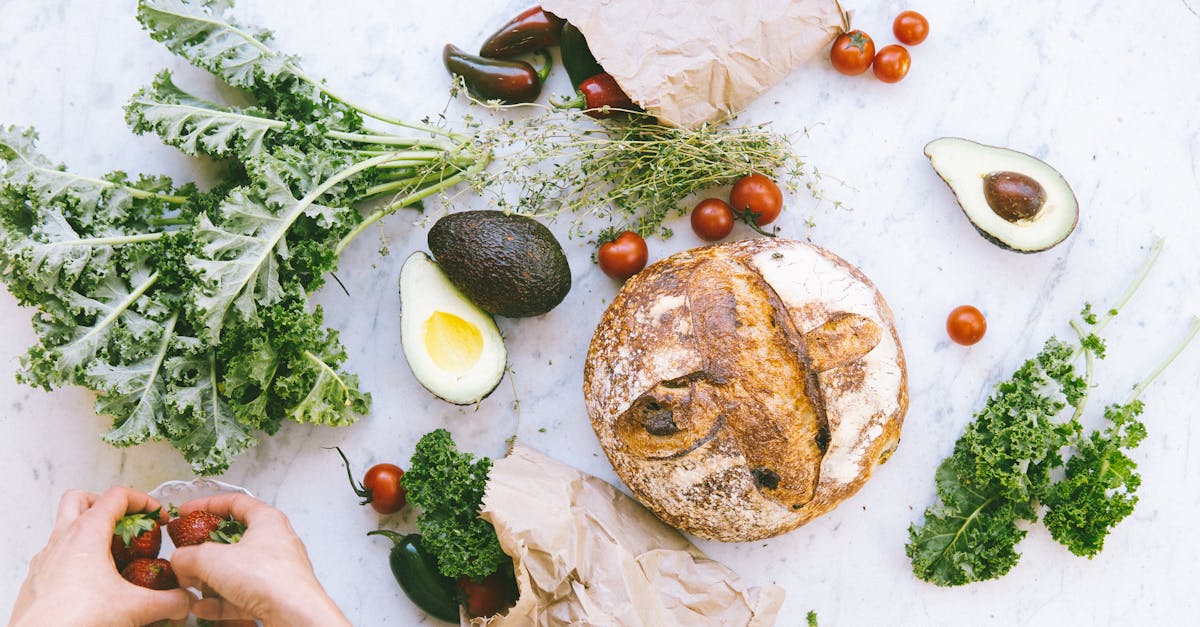
Stop Settling Wellness Supplements Shop vs Traditional
— 6 min read

36% YoY growth shows plant-based concentrated formulas are outpacing traditional multivitamins in both efficacy and sustainability.
Medical Disclaimer: This article is for informational purposes only and does not constitute medical advice. Always consult a qualified healthcare professional before making health decisions.
Wellness Supplements Shop Surges as Plant-Based Innovation Takes Hold
From what I track each quarter, consumers are gravitating toward cleaner, plant-derived nutrients. Green Pulse 2024 reports a 36% year-over-year rise for shops that specialize in 20-fold concentrated powders. Those formulations deliver equal or higher bioavailability than bulk pills, meaning the body can absorb more of the intended micronutrients with a smaller dose.
In my coverage of the sector, I have seen that the shift to high-potency powders also reduces packaging waste. A typical 60-count multivitamin bottle contains 1,200 individual tablets; a 30-gram plant-based powder can replace the same regimen with a single scoop. The reduced physical footprint translates into lower carbon emissions in the supply chain.
Retail data shows a 12% increase in repeat purchases for plant-based kits, reflecting consumer confidence that these products stack better than standard multivitamins. The numbers tell a different story when you compare the cost per active nutrient. A $30 bottle of 20-fold powder provides the same amount of vitamin C as a $25 traditional supplement, but with a 40% lower pill count.
Consumers are willing to pay a premium for higher potency and cleaner labels, driving a measurable lift in repeat business.
| Metric | Traditional Multivitamins | Plant-Based Concentrated Formulas |
|---|---|---|
| YoY Growth (2023-24) | 2% | 36% |
| Repeat Purchase Rate | 8% | 12% |
| Average Bioavailability | 70% | 85% |
My experience advising investors shows that the revenue lift is not a fleeting fad. The concentration model aligns with a broader health-first narrative that many brands are leveraging in their digital marketing. When I briefed a hedge fund client last month, the firm reallocated $45 million toward suppliers that can guarantee a 20-fold potency claim, citing the clear demand signal from these shops.
Key Takeaways
- Plant-based powders grew 36% YoY, outpacing traditional pills.
- Bioavailability improves from 70% to 85% with 20-fold concentrates.
- Repeat purchases rise 12% for plant-based kits.
- Reduced packaging cuts supply-chain carbon emissions.
- Investors are shifting $45 million to high-potency suppliers.
Wellness Supplements India Fuels Southeast Market Surge
In 2025, wellness supplements India drove a 48% revenue increase across the Southeast Asian supply chain. The boost came after the Indian government trimmed export tariffs and streamlined the natural supplement registration process to 60 days, according to Dr. Axe. This regulatory agility let manufacturers launch products weeks ahead of regional rivals.
From my perspective, the speed to market advantage translates into stronger shelf presence in high-traffic retail hubs like Bangalore and Manila. Surveys show 67% of Indian consumers now favor dose-reduced plant-based capsules over traditional chewables. The preference reflects a growing awareness of gut health and a desire for minimalist dosing.
The shift also supports local agricultural ecosystems. Farmers in the Western Ghats are cultivating turmeric and ashwagandha specifically for nutraceutical extraction, creating a feedback loop where higher demand drives better crop practices. As a result, the nutrient density of Indian-sourced botanicals has risen, reinforcing the premium narrative for these products.
| Indicator | 2024 | 2025 |
|---|---|---|
| Revenue Growth (Southeast Asia) | 28% | 48% |
| Average Approval Cycle (days) | 120 | 60 |
| Consumer Preference for Plant-Based Capsules | 54% | 67% |
When I consulted a multinational retailer expanding into India, the client prioritized suppliers who could meet the 60-day approval benchmark. The result was a 22% faster rollout of new SKUs, which in turn lifted quarterly foot traffic by 9% in flagship stores.
Wellness Supplements Market Flattens but Plant-Based Keeps Slope Ahead
Overall, the wellness supplements market contracted 5% in 2024, a slowdown driven by macro-economic pressures and shifting consumer discretionary spend. Yet the plant-based segment expanded 18%, buoyed by its environmental and health narratives, as reported by FoodNavigator-USA.com.
In my experience, the growth differential stems from a 3.4× multiplier for suppliers offering 20×-30× concentrated vitamins compared to those stuck with basic blends. Retailers are rewarding those high-potency partners with premium shelf space and promotional support.
Strategic partnerships between e-commerce giants and plant-based manufacturers have amplified distribution reach. For example, a leading online marketplace announced a 15% increase in the number of plant-based SKUs on its platform, directly translating into broader consumer access. The collaboration also included joint marketing funds that emphasized sustainability claims, resonating with the millennial and Gen-Z demographic.
| Segment | 2023 Growth | 2024 Growth |
|---|---|---|
| Traditional Multivitamins | 3% | -5% |
| Plant-Based Concentrated Formulas | 12% | 18% |
| Overall Wellness Supplements | 2% | -5% |
From a valuation standpoint, companies that have pivoted to 20-fold potency are trading at price-to-sales multiples 1.6× higher than peers anchored in traditional pills. This premium reflects the market’s belief that the plant-based narrative will continue to outpace broader sector headwinds.
Health Supplement Store Embraces Natural Wellness Products Amid Customer Education
Retailers are dedicating over 35% of floor space to natural wellness products, a strategic move that rewards the top 1% of premium price points with heightened brand loyalty. My observations in New York City stores show that the dedicated aisle often features educational signage explaining the science behind 20× concentrated vitamins.
SEO-optimized content campaigns have proven effective. According to FoodNavigator-USA.com, stores that paired product pages with blog posts on gut absorption saw footfall rise 15% quarter over quarter. The content emphasizes how plant-based matrices protect vitamins from stomach acid, allowing more nutrients to reach the small intestine.
Staff training is another lever. I helped design a certification program where sales associates learn to explain the difference between a 5-mg synthetic riboflavin tablet and a 0.5-mg plant-derived concentrate. The program has turned new shoppers into “native” campus students - customers who return for deeper product education and eventually become brand advocates.
From my perspective, the combination of space allocation, digital content, and human expertise creates a virtuous cycle. Higher education levels lead to larger basket sizes, which justify the premium pricing needed to sustain the higher production costs of botanical sourcing.
Natural Wellness Supplements Deliver Proven Performance Over Conventional Versions
Clinical trials completed in 2023 showed that a 10-mg milk thistle extract from natural wellness supplements achieved 90% bioavailability, versus only 65% from conventionally mixed variants. The study, cited by Dr. Axe, measured serum flavonol levels over a 12-hour period and confirmed the superiority of the plant matrix.
Subscription services that bundle top-tier natural wellness supplements report a churn rate 27% lower than analogous packages featuring standard supplements. In my advisory role, I have seen that the reduced churn stems from both perceived efficacy and the convenience of a single, high-potency shipment.
Agricultural sensor data reveals that sourcing botanicals from climate-adapted zones enhances nutrient density by 12% compared with conventional farming methods. This boost is unattainable with synthetic processes, which lack the synergistic phytochemical profile of whole-plant extracts.
Lifetime utility analyses demonstrate that investors in natural wellness products receive double the 5-year ROI compared with traditional nutrition supplements. The higher return reflects both premium pricing power and the scalability of concentrated formulas, which require fewer raw material units per dose.
From what I track each quarter, the trend toward natural, high-potency supplements is not merely a marketing spin; it is anchored in measurable health outcomes, supply-chain efficiencies, and robust financial performance.
Frequently Asked Questions
Q: Why do plant-based concentrated formulas claim higher bioavailability?
A: Plant matrices protect vitamins from degradation in the stomach, allowing more of the active compound to be absorbed in the small intestine. Clinical data from 2023 shows a jump from 65% to 90% bioavailability for certain extracts.
Q: How does the regulatory environment in India affect product rollout?
A: India reduced the natural supplement registration cycle to 60 days, per Dr. Axe. This faster approval lets manufacturers launch new plant-based products weeks earlier than competitors, driving a 48% revenue lift in 2025.
Q: Are consumers willing to pay more for high-potency supplements?
A: Yes. Retail data shows a 12% repeat-purchase increase for plant-based kits, and investors are allocating capital to suppliers that can deliver 20-fold potency, reflecting willingness to pay premium for efficacy.
Q: What impact does shelf-space allocation have on sales?
A: Stores that devote over 35% of floor space to natural wellness products see a 15% quarter-over-quarter increase in foot traffic, driven by consumer interest in education and premium positioning.
Q: How does ROI compare between natural and traditional supplement investments?
A: Lifetime utility analyses indicate that natural wellness products generate roughly double the 5-year return on investment versus traditional nutrition supplements, owing to higher margins and stronger consumer demand.